The European Hansemuseum Lübeck
Cooperation partner of the European Hanseatic Ensemble
With Lübeck at the forefront the Hanseatic cities in Northern Europe were centres of economic power, trade, and middle-class prosperity. The powerful trade network, known as the Hanseatic League, drastically influenced political, economic and societal development on the European continent, and facilitated a rich and flourishing culture, including a thriving music scene.
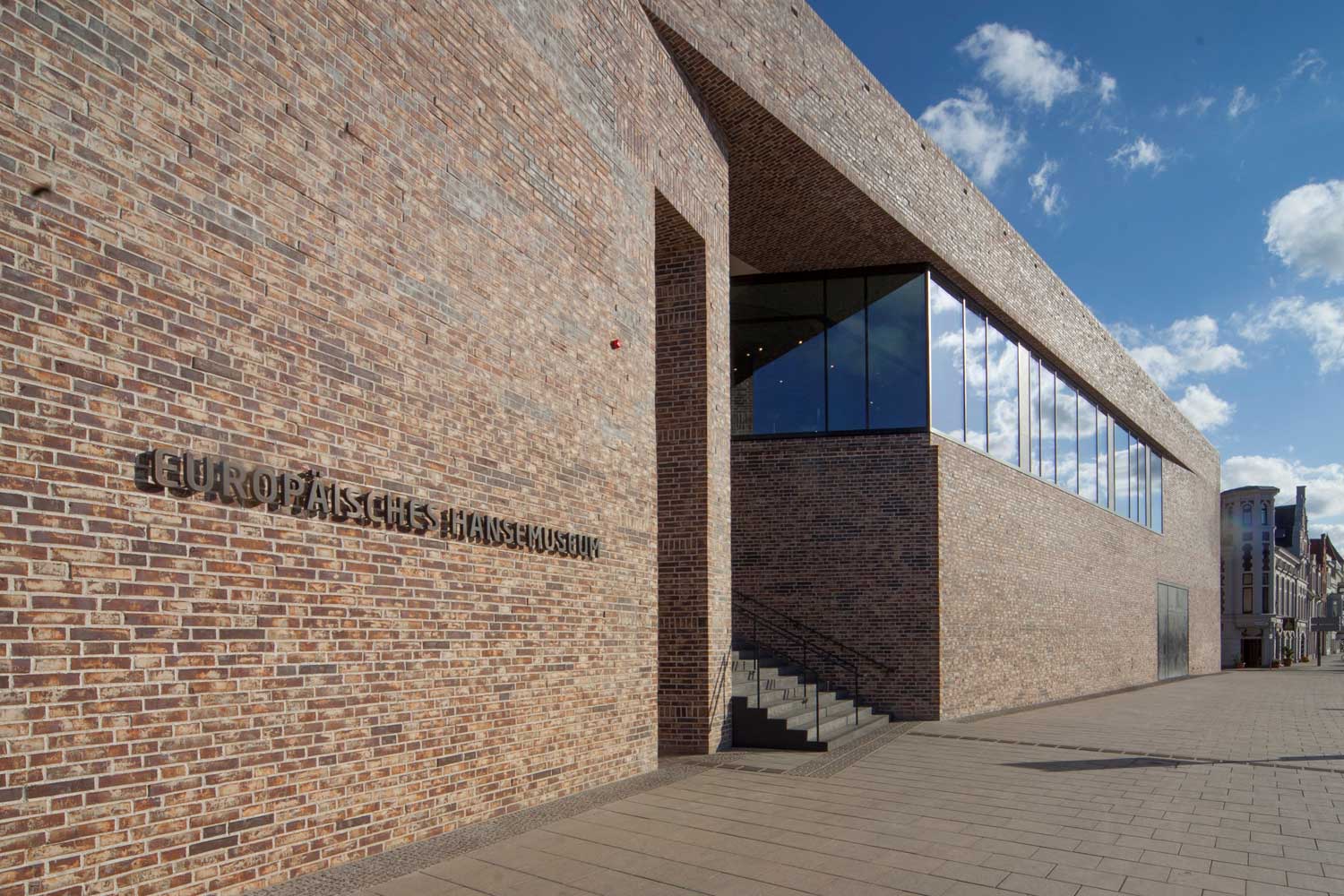
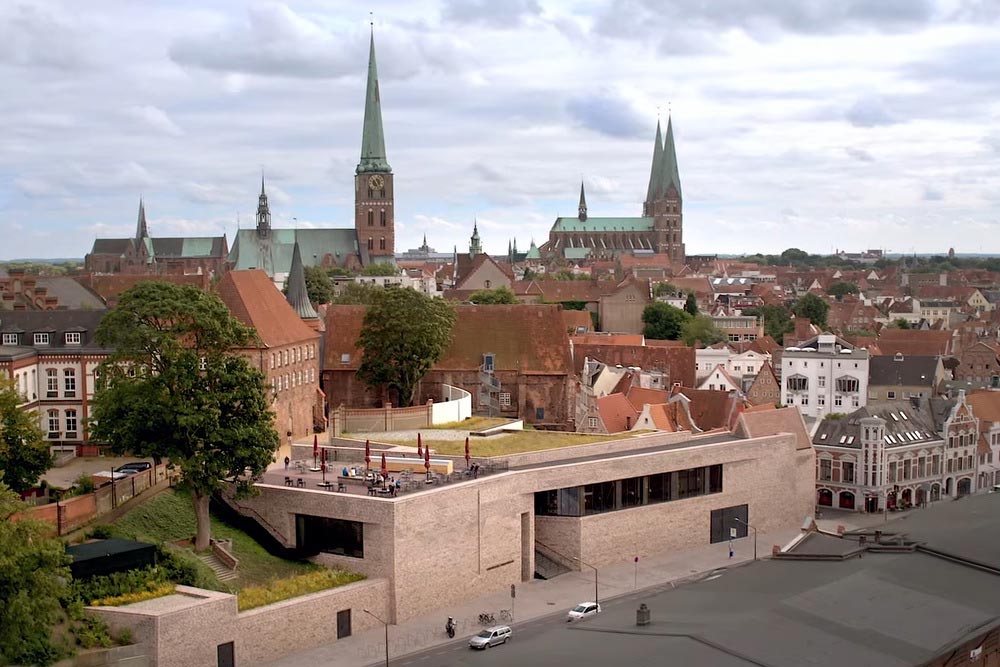
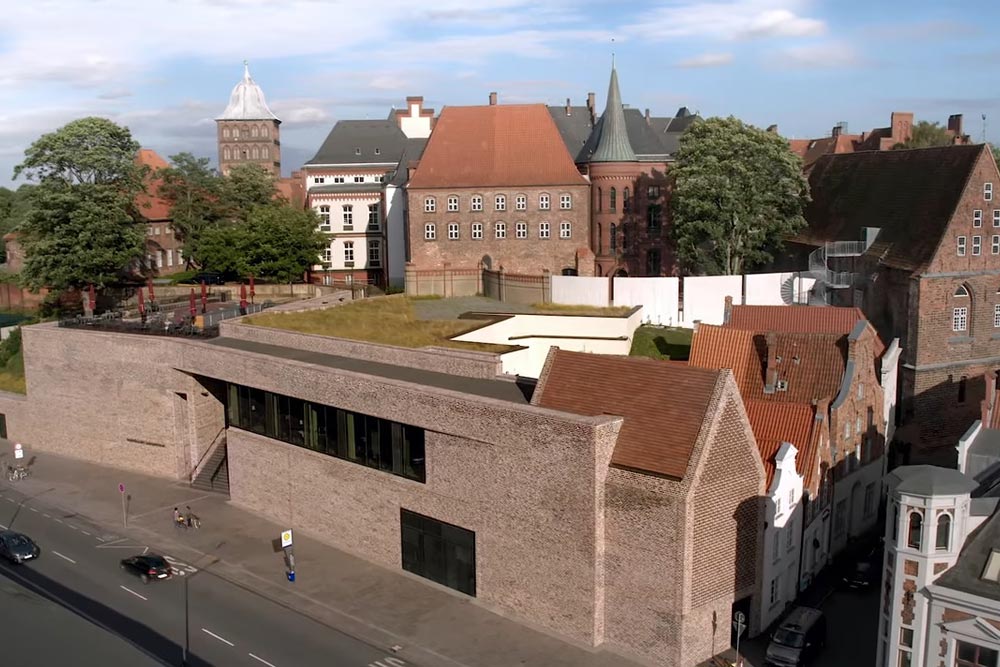
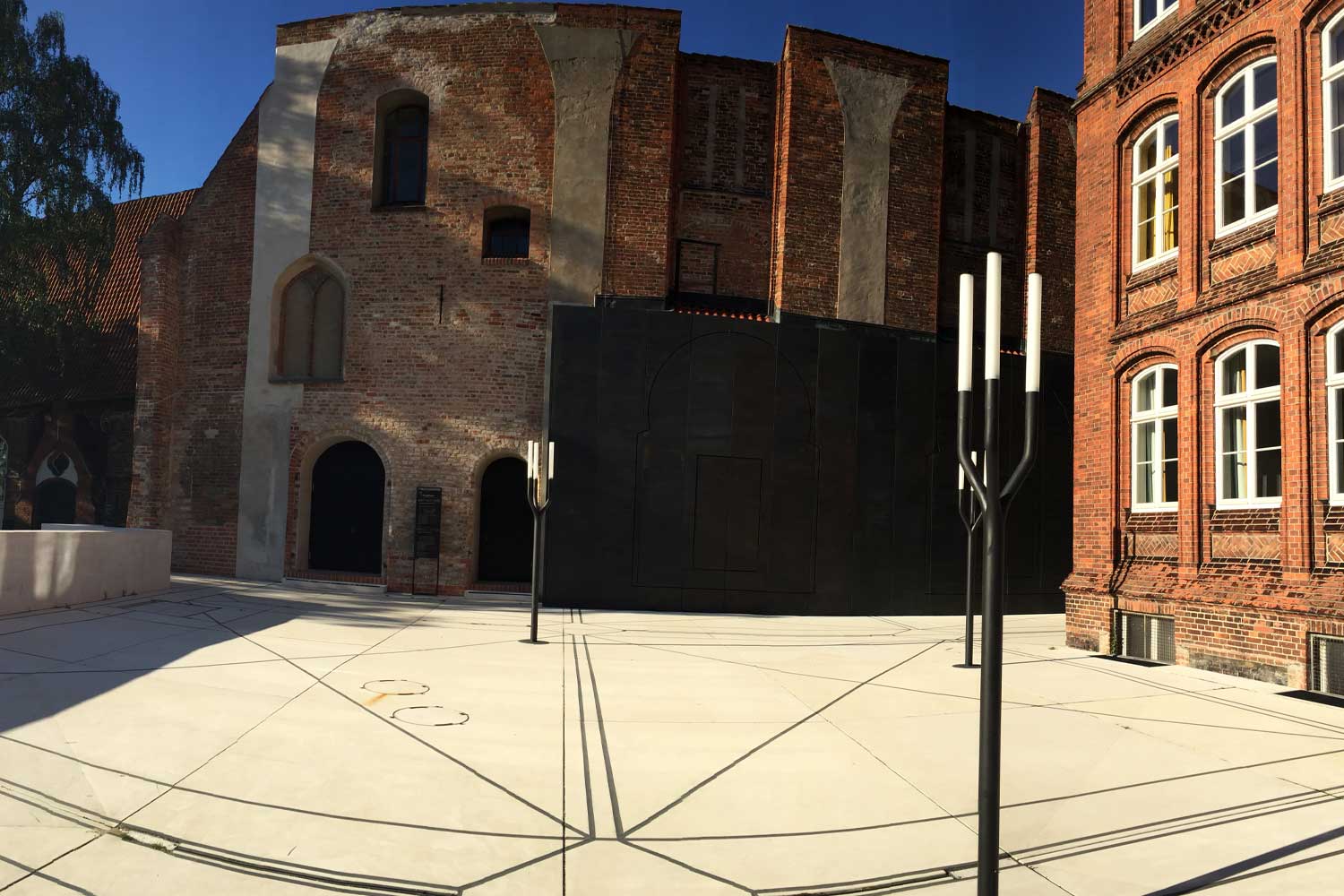
The European Hansemuseum is located in the north of Lübeck’s insular Old Town, and stands on historically sicnificant ground: the Castle Hill, on which the museum stands, is one of the city’s earliest settlement locations and is closely linked to the history of the Hanseatic League, as it was the neighbouring harbour, from which the richly laden merchant ships sailed north.
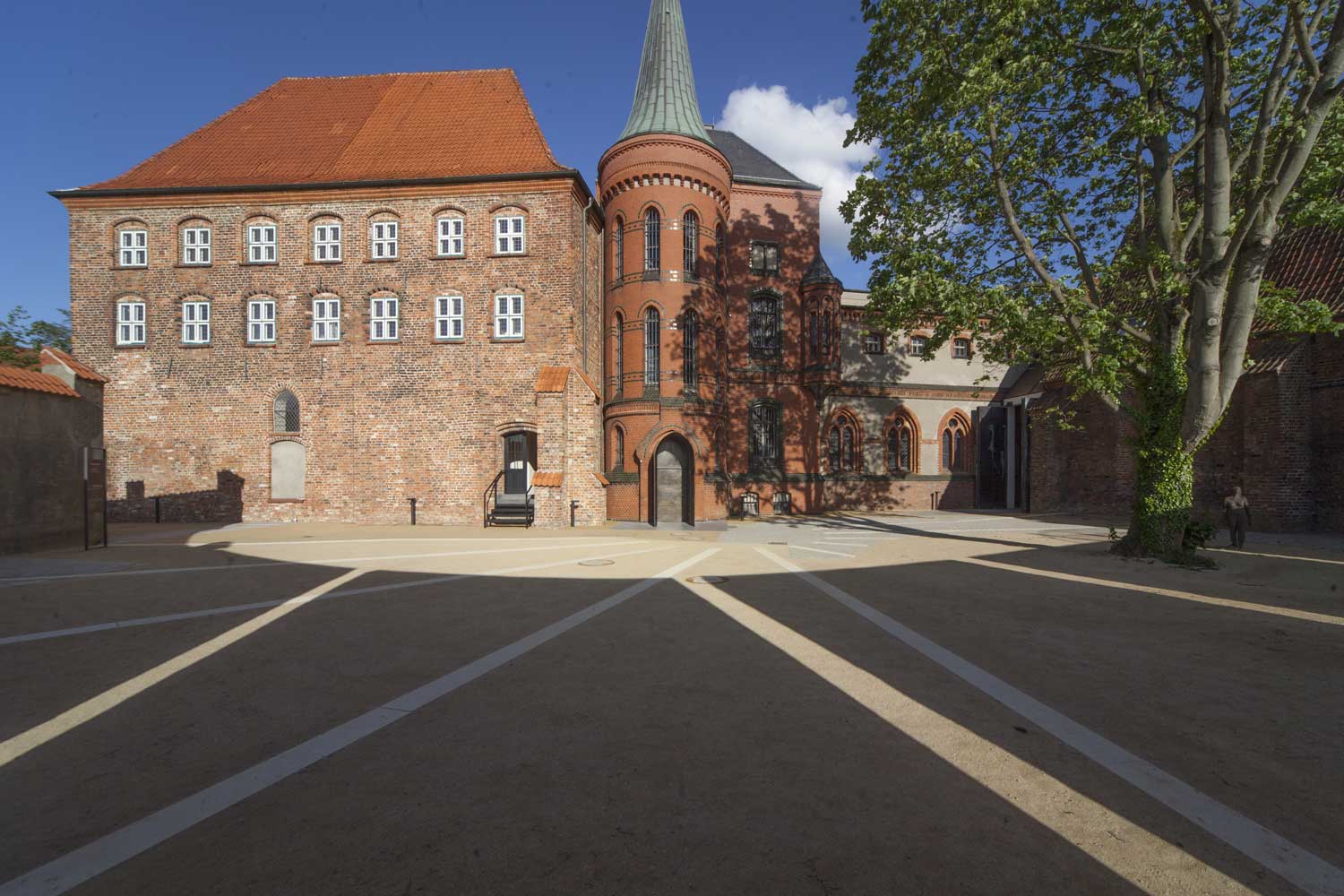
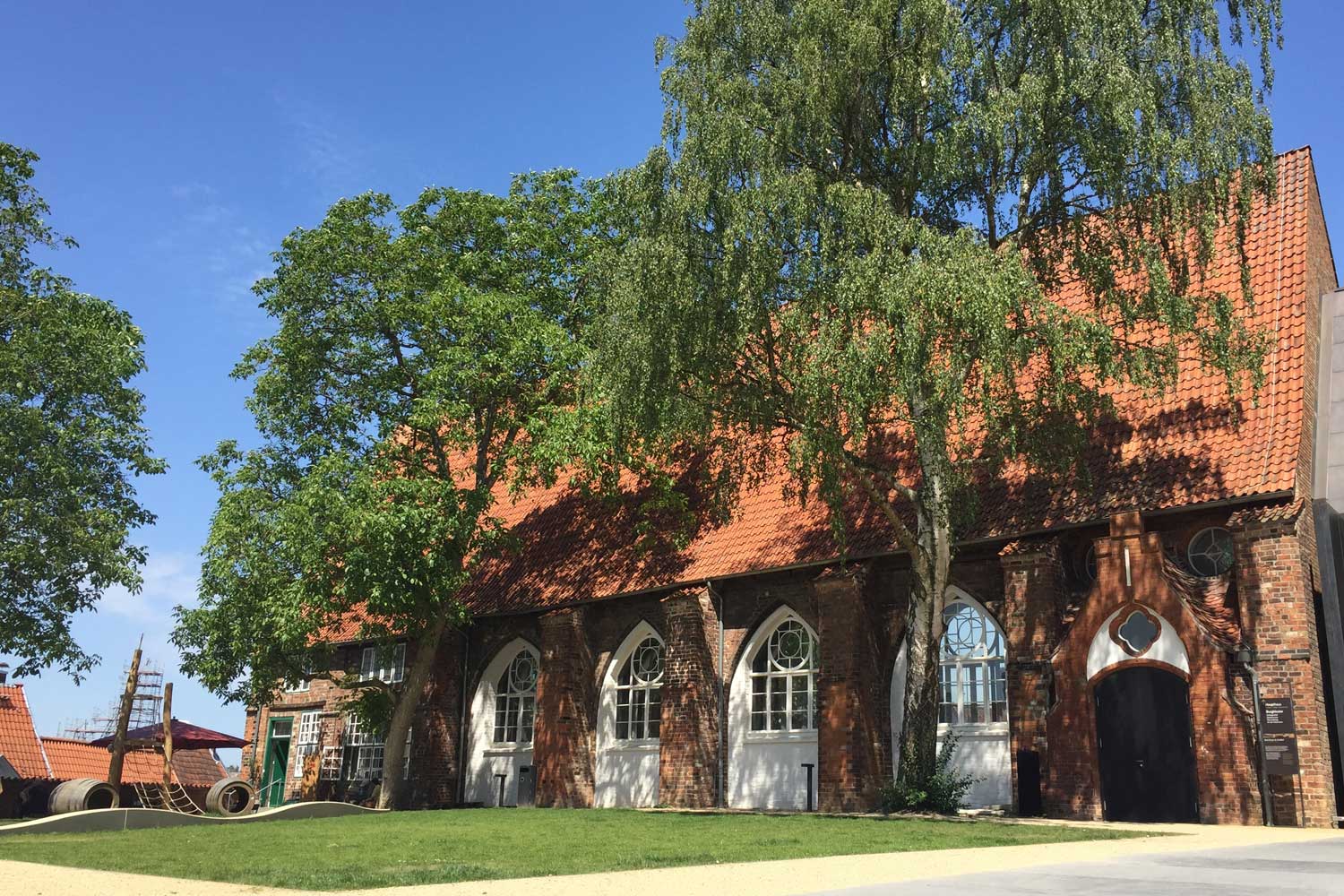
The museum area, which covers almost 12,000 square metres, and connects the new museum building, awarded with several architectural prizes, with the lavishly restored Burgkloster, the home of a Dominican convent until the 16th century. With its wall and ceiling paintings, this Gothic brick building is considered one of the most important monastery complexes in northern Germany, and is often used as an elegant setting for musical performances.
The permanent exhibition tells the history of the Hanseatic League though staged scences, based on extensive research, valuable displays of original artefacts from international museum collections, and interactive features. The exhibition offers guidance in four languages (DE, EN, RUS, SE) and is structured according to the most important trading centres where the long-distance traders had branches – so-called Kontore: Novgorod, Bergen, Bruges and London. The daring and rise of the merchants, life and trade in the Middle Ages, the victories and defeats, as well as the organisation and meetings of the Hanseatic League are all vividly portrayed. Myths and legends that arose after the transition of the Hanseatic League into other social and economic forms are also examend.
In cooperation with the affiliated Research Centre for Hanse and Baltic History (FGHO), through special exhibitions, discussions, and lectures, the Hansemuseum makes the lasting relevance of the Hanseatic League visible, and creates space for discussing the past, present, and future.